Hungarian Opposition Ousts Viktor Orbán After 16 Years in Power
Hungary has witnessed a historic political change as opposition leader Péter Magyar and his Tisza Party decisively defeated Prime Minister Viktor Orbán, ending his 16-year rule in the 2026 parliamentary election. The opposition secured a commanding parliamentary supermajority—winning around 138 out of 199 seats—marking one of the most significant political shifts in the country since the fall of communism

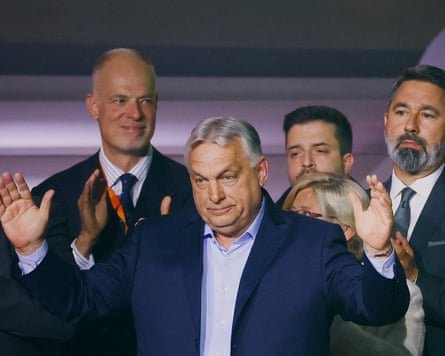
Hungarian Opposition Ousts Viktor Orbán After 16 Years in Power
Hungary has witnessed a historic political change as opposition leader Péter Magyar and his Tisza Party decisively defeated Prime Minister Viktor Orbán, ending his 16-year rule in the 2026 parliamentary election. The opposition secured a commanding parliamentary supermajority—winning around 138 out of 199 seats—marking one of the most significant political shifts in the country since the fall of communism. Orbán, who had been in power since 2010 and was known for promoting “illiberal democracy,” conceded defeat, describing the outcome as “painful but clear.”
The election saw record voter turnout, driven largely by young voters and widespread public dissatisfaction over economic stagnation, rising inflation, and concerns about corruption and declining public services. Magyar’s campaign focused on restoring democratic institutions, strengthening ties with the European Union, and addressing domestic economic challenges. His victory signals a potential reset in Hungary’s strained relationship with the EU, which had frequently clashed with Orbán over rule-of-law issues and foreign policy, particularly regarding Russia and Ukraine.
Orbán’s long tenure had been marked by constitutional changes, tighter control over media and institutions, and criticism from international observers over democratic backsliding. Despite strong backing from global right-wing figures, Hungarian voters ultimately opted for change, prioritizing governance, transparency, and economic reform. Analysts suggest that while Magyar’s supermajority gives him the power to reverse many of Orbán-era policies, entrenched political structures may still pose challenges to rapid reform.
The outcome carries broader geopolitical implications, weakening a key figure of Europe’s far-right movement and potentially reshaping regional politics. European leaders have welcomed the result as a democratic turning point, while the new government is expected to move quickly to rebuild alliances and unlock EU funding.