Middle East War Could Push 1.2 Million Into Poverty - World Bank
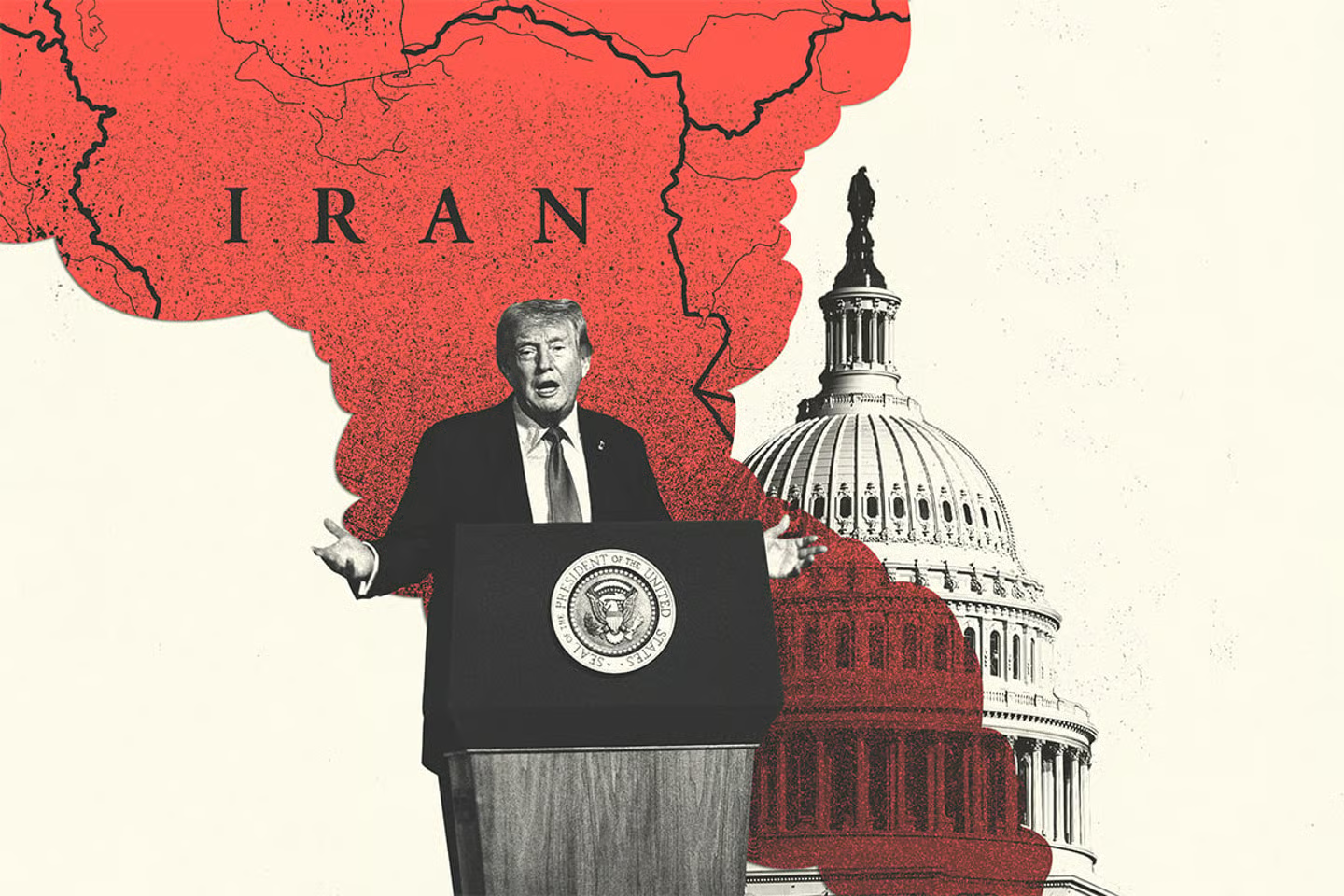
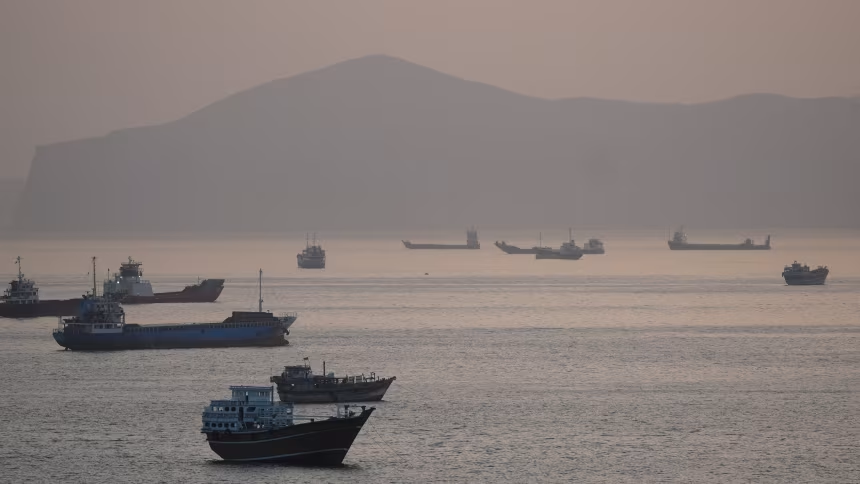
The ongoing conflict in the Middle East is having profound implications for global poverty and economic stability, according to the World Bank and other international institutions. Recent assessments suggest that the economic shocks triggered by the conflict—particularly disruptions in energy and commodity markets—could push more than 1.2 million people into poverty worldwide

Middle East War Could Push 1.2 Million Into Poverty - World Bank
The ongoing conflict in the Middle East is having profound implications for global poverty and economic stability, according to the World Bank and other international institutions. Recent assessments suggest that the economic shocks triggered by the conflict—particularly disruptions in energy and commodity markets—could push more than 1.2 million people into poverty worldwide.
Experts identify rising energy prices, supply chain disruptions, and inflation as the key transmission channels of this crisis. A joint statement by the World Bank, the International Monetary Fund (IMF), and the World Food Programme highlights that increases in oil, gas, and fertilizer prices are driving up food costs, thereby worsening food insecurity, especially in low-income and import-dependent countries.
World Bank President Ajay Banga has warned that the conflict may reduce global economic growth while increasing inflationary pressures. He emphasized that the duration and intensity of the conflict will determine the scale of its economic damage, with prolonged instability likely to exacerbate poverty and inequality.
The spillover effects are already visible in regions such as South Asia. For instance, in Bangladesh, around 1.2 million additional people could fall below the poverty line due to the economic consequences of the conflict, including higher import costs, declining remittances, and inflation.
Economists further note that the economic consequences of war are not confined to conflict zones. According to IMF research, wars typically result in significant output losses that can persist for more than a decade, affecting global trade, investment flows, and employment patterns.
In conclusion, the Middle East conflict represents not only a regional geopolitical crisis but also a global economic threat. Experts stress the need for coordinated international responses, strengthened social protection systems, and urgent diplomatic efforts to mitigate the long-term impact on poverty and economic development.