US, Iran Teams in Pakistan for Peace Talks Amid Doubts Over Lebanon, Sanctions
Senior officials from the United States and Iran have gathered in Islamabad, Pakistan, for high-stakes peace talks aimed at ending a six-week-long conflict that has shaken regional stability. The negotiations mark the highest-level engagement between the two countries in years, raising cautious hopes for de-escalation. However, significant disagreements over Lebanon and economic sanctions continue to cast uncertainty over the outcome

US, Iran Teams in Pakistan for Peace Talks Amid Doubts Over Lebanon, Sanctions
Senior officials from the United States and Iran have gathered in Islamabad, Pakistan, for high-stakes peace talks aimed at ending a six-week-long conflict that has shaken regional stability. The negotiations mark the highest-level engagement between the two countries in years, raising cautious hopes for de-escalation. However, significant disagreements over Lebanon and economic sanctions continue to cast uncertainty over the outcome.
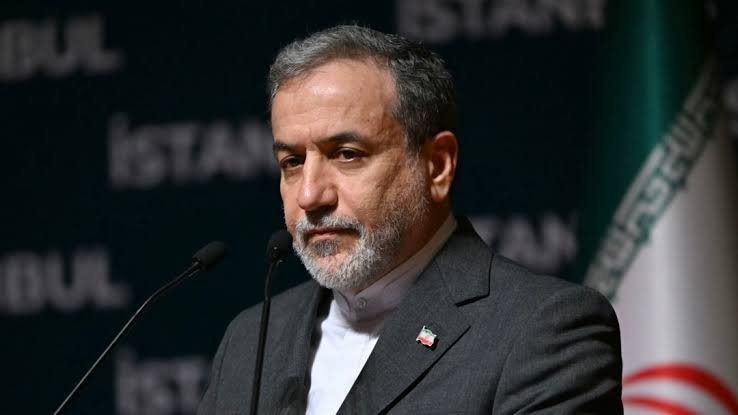
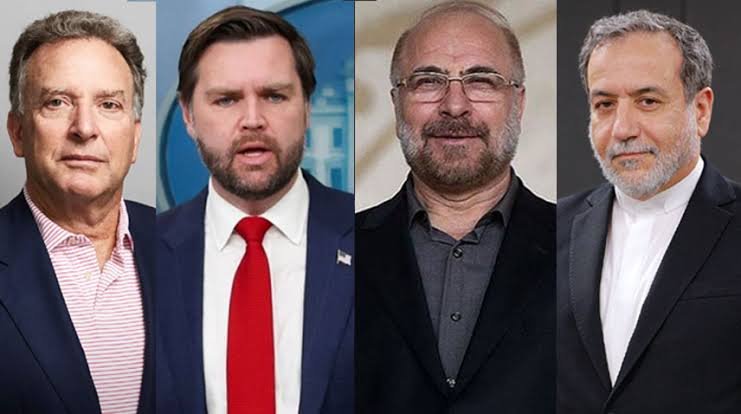
The U.S. delegation, led by Vice President JD Vance, arrived in Islamabad alongside key representatives, including special envoy Steve Witkoff. Iranian officials, led by parliamentary speaker Mohammad Bagher Ghalibaf and Foreign Minister Abbas Araqchi, have also taken part, though Tehran has set firm preconditions before formal discussions can proceed.
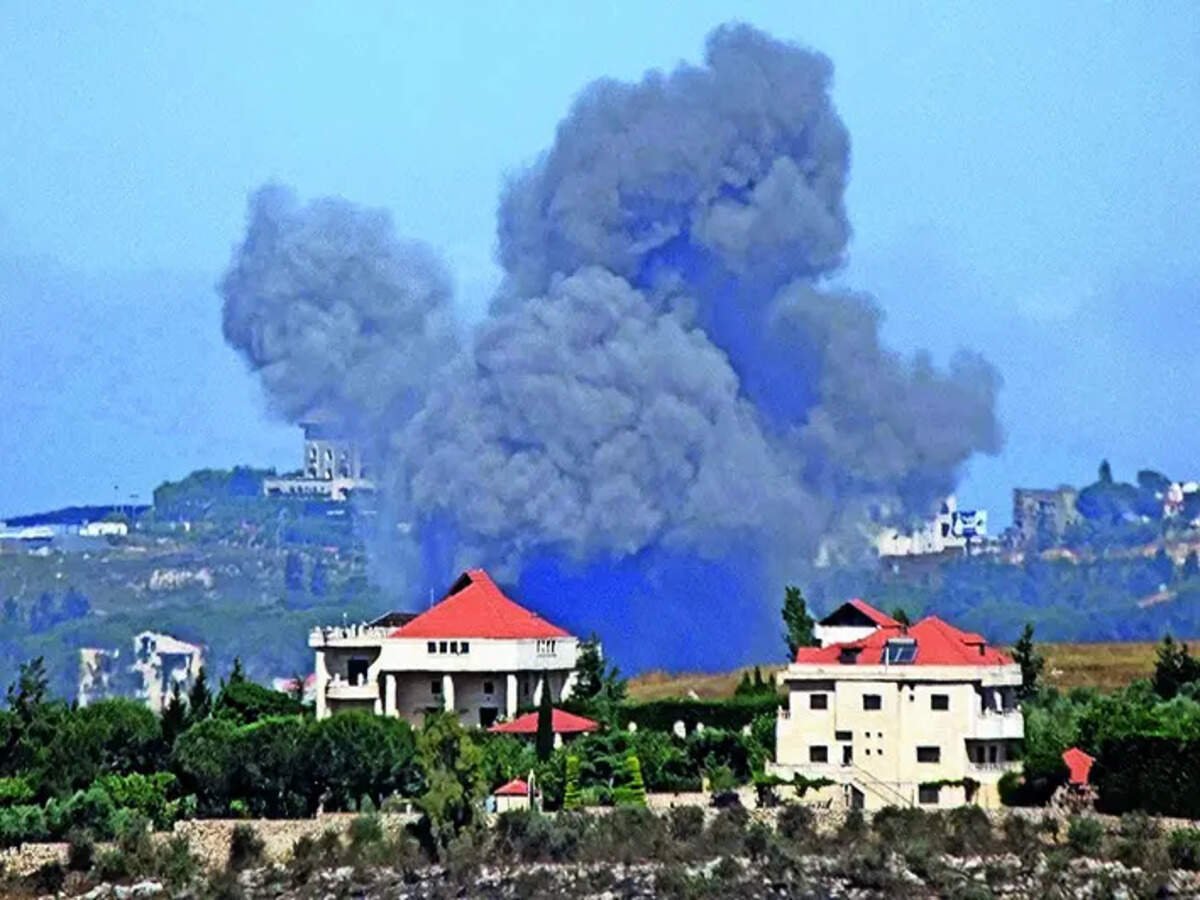
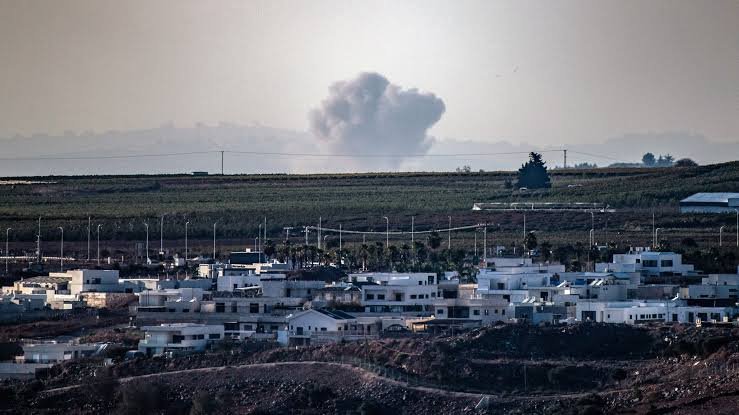
Iran has demanded a ceasefire in Lebanon, where ongoing clashes involving Israel and Hezbollah have intensified tensions, as well as the lifting of long-standing U.S. sanctions that have severely impacted its economy. Washington, however, has not fully agreed to link the Lebanon conflict with the broader negotiations, creating a major sticking point.
Meanwhile, the situation remains volatile. Iran’s blockade of the Strait of Hormuz continues to disrupt global energy supplies, contributing to rising fuel prices and economic uncertainty worldwide. Despite a temporary ceasefire announced earlier, hostilities in the region have not fully subsided.
Pakistan, acting as mediator, has imposed tight security measures in Islamabad to facilitate the talks. Analysts suggest that while both sides have incentives to avoid further escalation, deep mistrust and conflicting demands could hinder progress.
The outcome of these discussions could have far-reaching implications for global geopolitics, energy markets, and regional peace. For now, the world watches closely as diplomacy attempts to bridge one of the most complex conflicts in recent times.