Iran Sends Message of Defiance with Mojtaba Khamenei’s Appointment
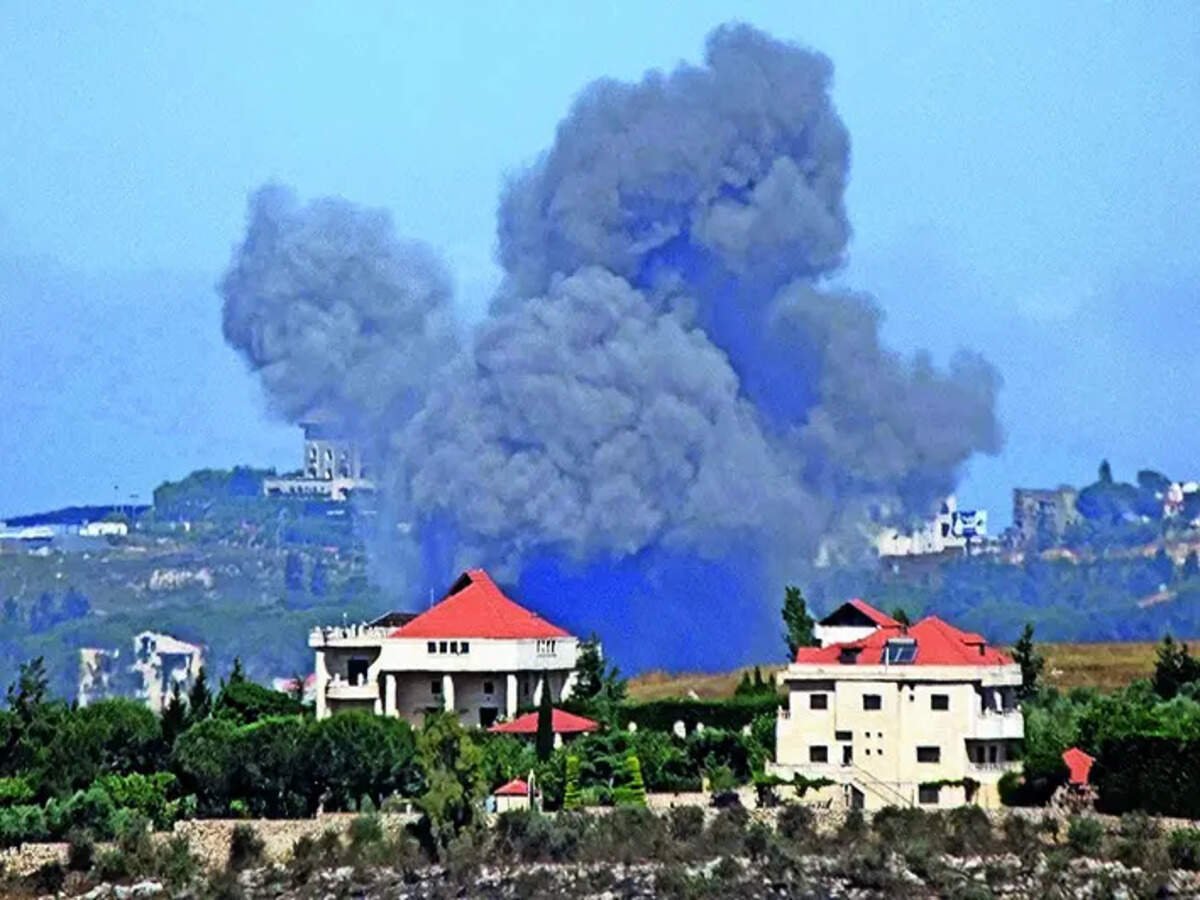
The late Ali Khamenei, who ruled Iran for 37 years after succeeding Ruhollah Khomeini, was killed in a U.S.–Israeli strike on Tehran on February 28. His death marked one of the most dramatic escalations in Middle Eastern geopolitics and triggered a wider regional conflict.

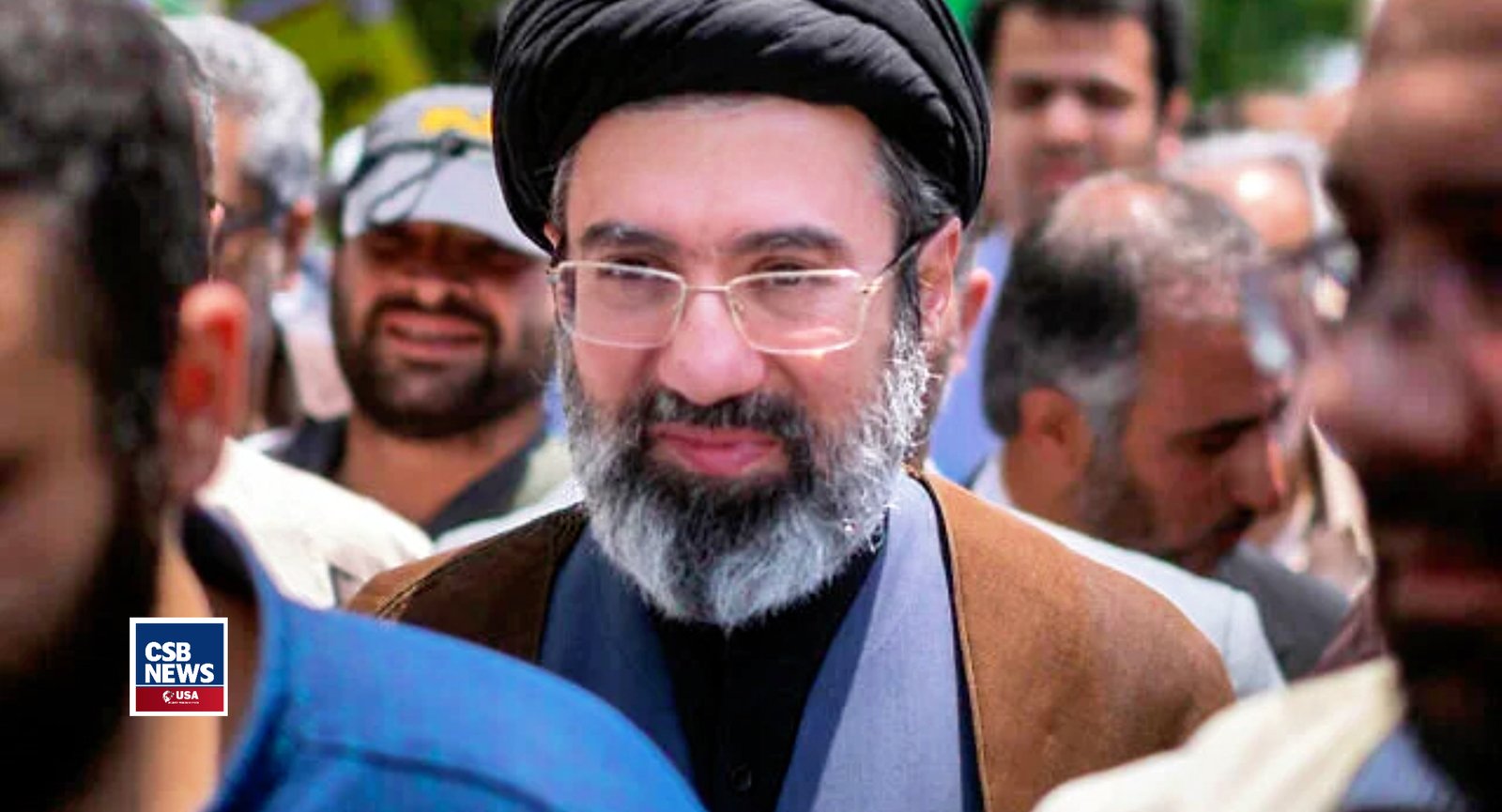
Iran Sends Message of Defiance with Mojtaba Khamenei’s Appointment
Mojtaba Khamenei Named Iran’s New Supreme Leader After Assassination of Ayatollah Ali Khamenei
Iran has officially named Mojtaba Khamenei as its new Supreme Leader, just over a week after the assassination of his father, Ali Khamenei, in joint U.S.–Israeli strikes that triggered a major regional war.
The 56-year-old cleric was chosen by Iran’s powerful Assembly of Experts on Sunday. He now faces the challenge of leading the Islamic Republic during what many analysts describe as the most severe crisis in Iran’s 47-year history.
Soon after the announcement, senior political figures, the Islamic Revolutionary Guard Corps, and the armed forces pledged loyalty to the new leader.
Ali Larijani, secretary of the Supreme National Security Council, called for national unity and urged Iranians to rally behind Mojtaba Khamenei as the country confronts an ongoing war with the United States and Israel.
Meanwhile, Iran’s parliament speaker Mohammad Bagher Ghalibaf welcomed the decision, saying that following the new Supreme Leader is both a “religious and national duty.”
A Powerful Figure Behind the Scenes
Although Mojtaba Khamenei has never held elected office or faced a public vote, he has long been a powerful figure within Iran’s ruling establishment. For decades he has worked closely with his father’s inner circle and cultivated strong ties with the IRGC.
In recent years he had increasingly been viewed as a potential successor to his father, particularly among hardline factions within Iran’s political system.
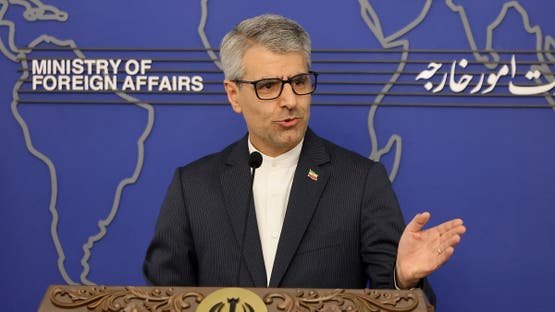
Analysts say his appointment may signal that hardline forces remain firmly in control of the government and could reduce the likelihood of negotiations with the United States or Israel as the war enters its second week.
“Continuity and Defiance”
According to Ali Hashem, Mojtaba Khamenei was widely known as his father’s “gatekeeper,” controlling access to the Supreme Leader and influencing key decisions.
Political analyst Rami Khouri described the appointment as a sign of “continuity” within Iran’s leadership.
He also called the decision “an act of defiance,” suggesting that Tehran is sending a message to Washington and Tel Aviv that attempts to destabilize Iran’s political system will not succeed.
International Reactions
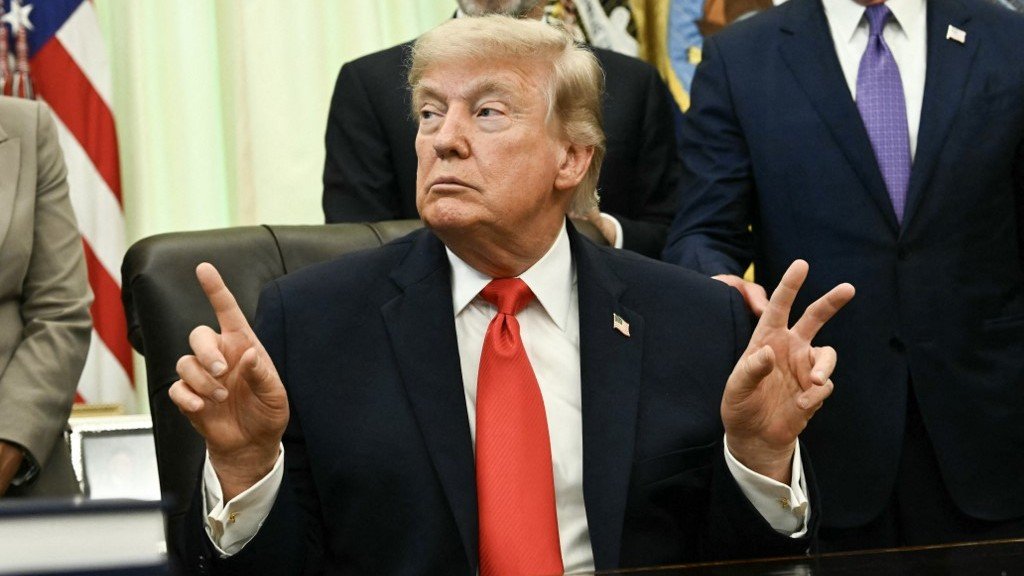
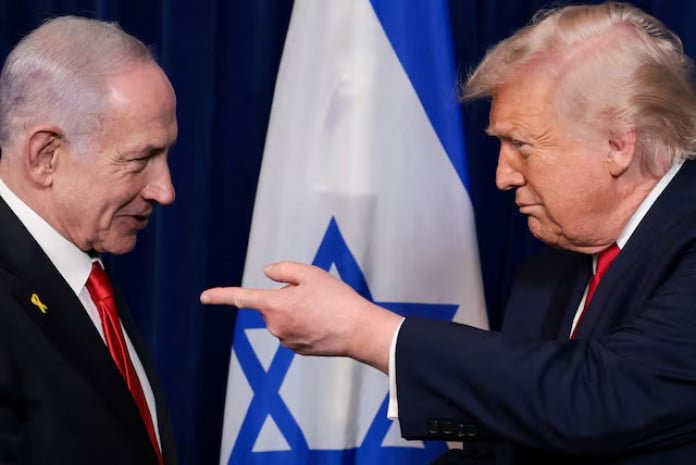
The appointment could further inflame tensions with the United States and Israel. Earlier, Donald Trump had criticized the possibility of Mojtaba Khamenei becoming Iran’s Supreme Leader, calling it an “unacceptable” option.
Trump also warned that any new leader chosen without U.S. approval “is not going to last long.”
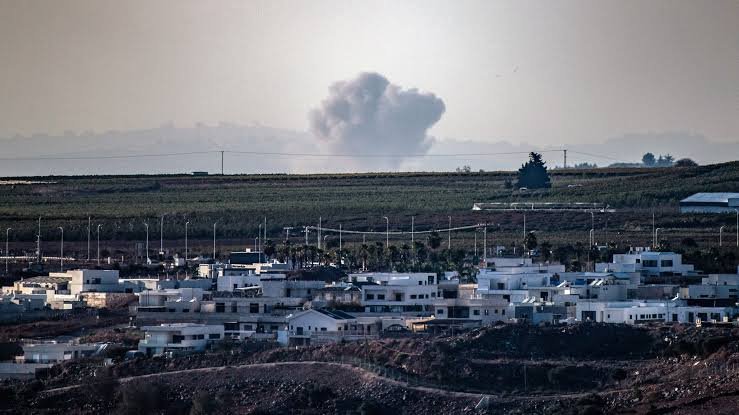
Israel’s military had previously issued a warning that it would not hesitate to target any successor to Iran’s Supreme Leader if the conflict escalates further.
Background
The late Ali Khamenei, who ruled Iran for 37 years after succeeding Ruhollah Khomeini, was killed in a U.S.–Israeli strike on Tehran on February 28. His death marked one of the most dramatic escalations in Middle Eastern geopolitics and triggered a wider regional conflict.
Mojtaba Khamenei studied in the Shia seminaries of Qom, Iran’s main center of religious scholarship, and holds the clerical rank of hojjatoleslam, a mid-level religious title.