Gas and toll costs are squeezing New York and New Jersey commuters
Rising fuel prices and expensive tolls are adding pressure to household budgets for commuters across New York and New Jersey.

Gas and toll costs are squeezing New York and New Jersey commuters
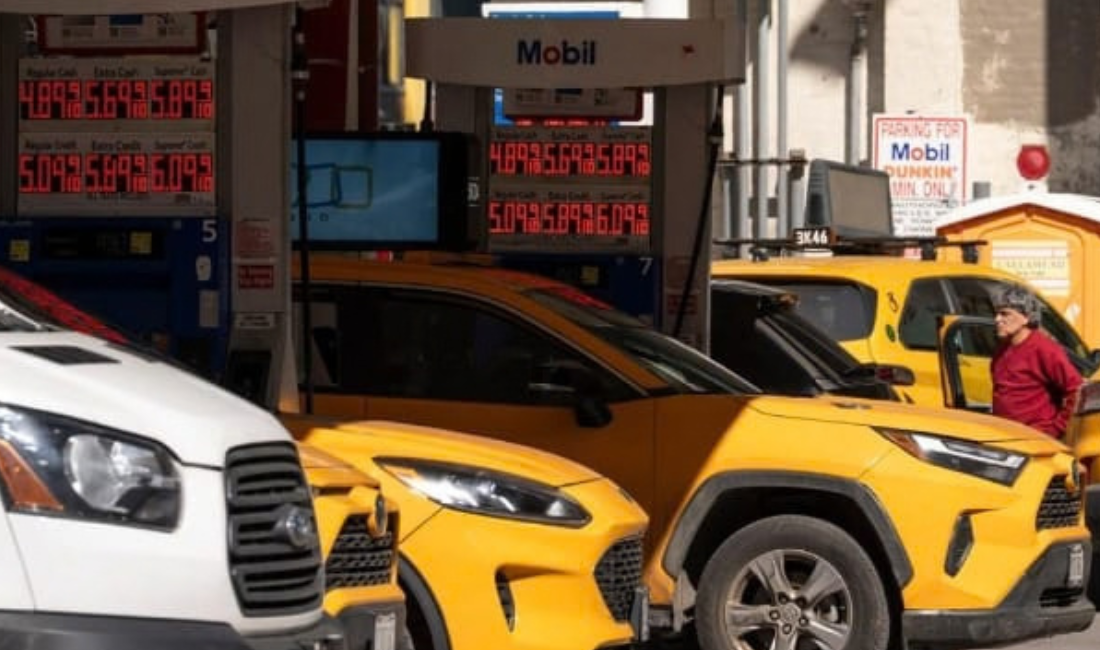
Drivers across New York and New Jersey are facing growing pressure from higher gasoline prices, tolls and other transportation costs, making daily commuting more expensive for many households.
Gas prices have risen sharply over the past year, while the New York–New Jersey region already has some of the nation's highest commuting costs. The increase is particularly noticeable for workers who drive long distances every day to reach jobs in New York City, Jersey City and other major employment centers.
For a household that depends on a car for work, school and family responsibilities, even a small increase in the price of gasoline can significantly affect the monthly budget.
The impact becomes greater for people who regularly use major toll roads. New Jersey commuters traveling toward New York may have to pay substantial tolls in addition to gasoline costs, parking expenses and vehicle maintenance.
Transportation costs are becoming an increasingly important household expense at a time when many families are already dealing with higher food, housing and utility bills.
Experts cited by FOX 5 New York said gasoline prices have become a major concern for commuters in the region. The station reported that national average gasoline prices increased roughly 40 to 45 percent over the previous year, depending on location, while Northeast prices also experienced a substantial increase.
The financial pressure is especially difficult for middle-income and lower-income workers who cannot easily switch to remote work or public transportation.
A worker commuting from suburban New Jersey into Manhattan, for example, may have to consider gasoline, tolls, parking and vehicle maintenance together when calculating the real cost of going to work.
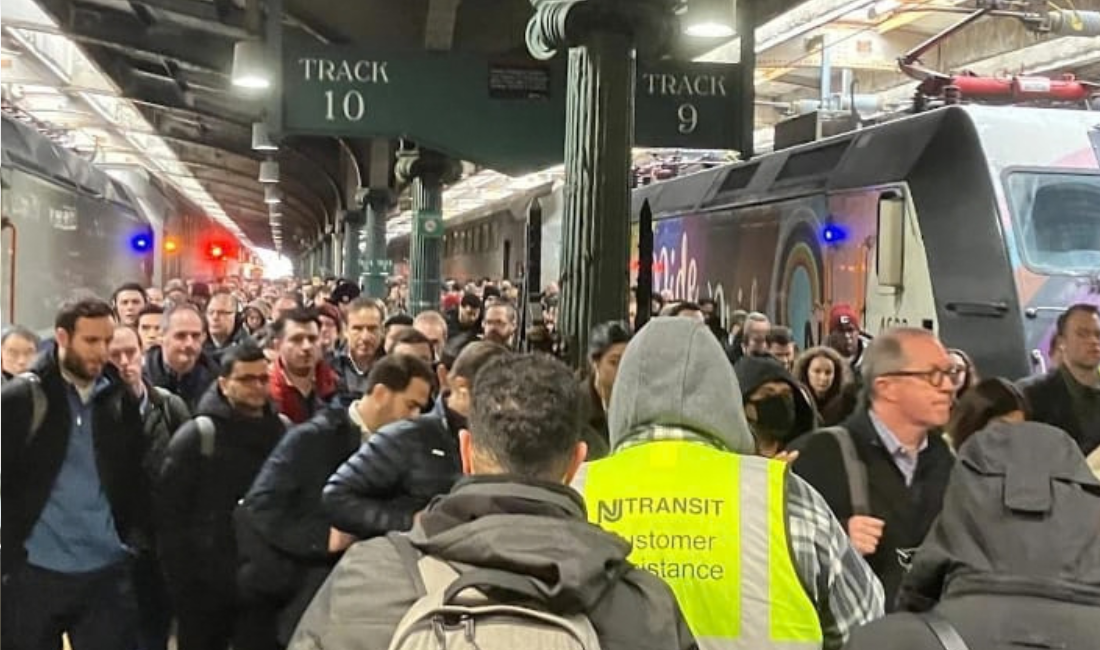
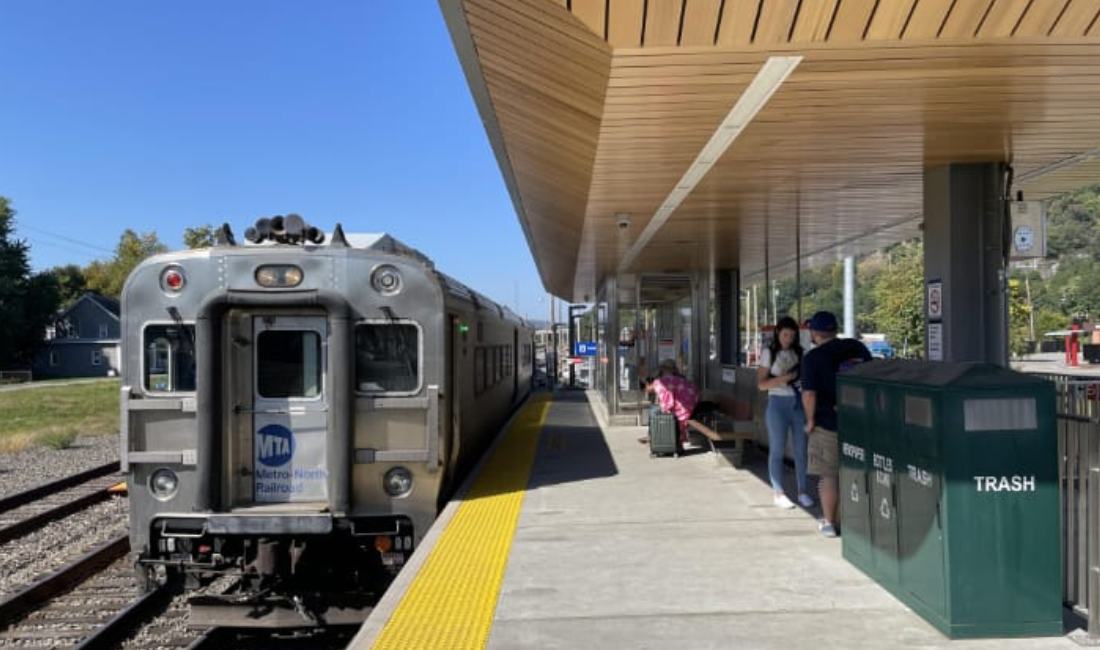
Public transportation can sometimes reduce those expenses, but not every worker lives near a convenient train or bus route. Some jobs also require employees to travel between multiple locations during the day.
The situation is therefore creating a difficult choice for many commuters: continue driving despite higher costs or look for alternative transportation options that may take longer.
For families trying to control expenses, transportation costs are worth reviewing alongside rent, groceries and utility bills. Combining car trips, using public transportation when practical, carpooling and comparing commuting routes may help reduce some costs.
The rising expenses also matter politically. Transportation costs are becoming a visible issue for voters across the New York and New Jersey region as people feel the impact every time they fill their gas tank or pay a highway toll.
For daily commuters, the biggest concern is that transportation costs are not limited to gasoline. Tolls, parking, insurance, repairs and routine maintenance can add hundreds or even thousands of dollars to annual household expenses.
With energy prices remaining a major concern, commuters are watching both gasoline prices and transportation policies closely as they plan their household budgets for the coming months.