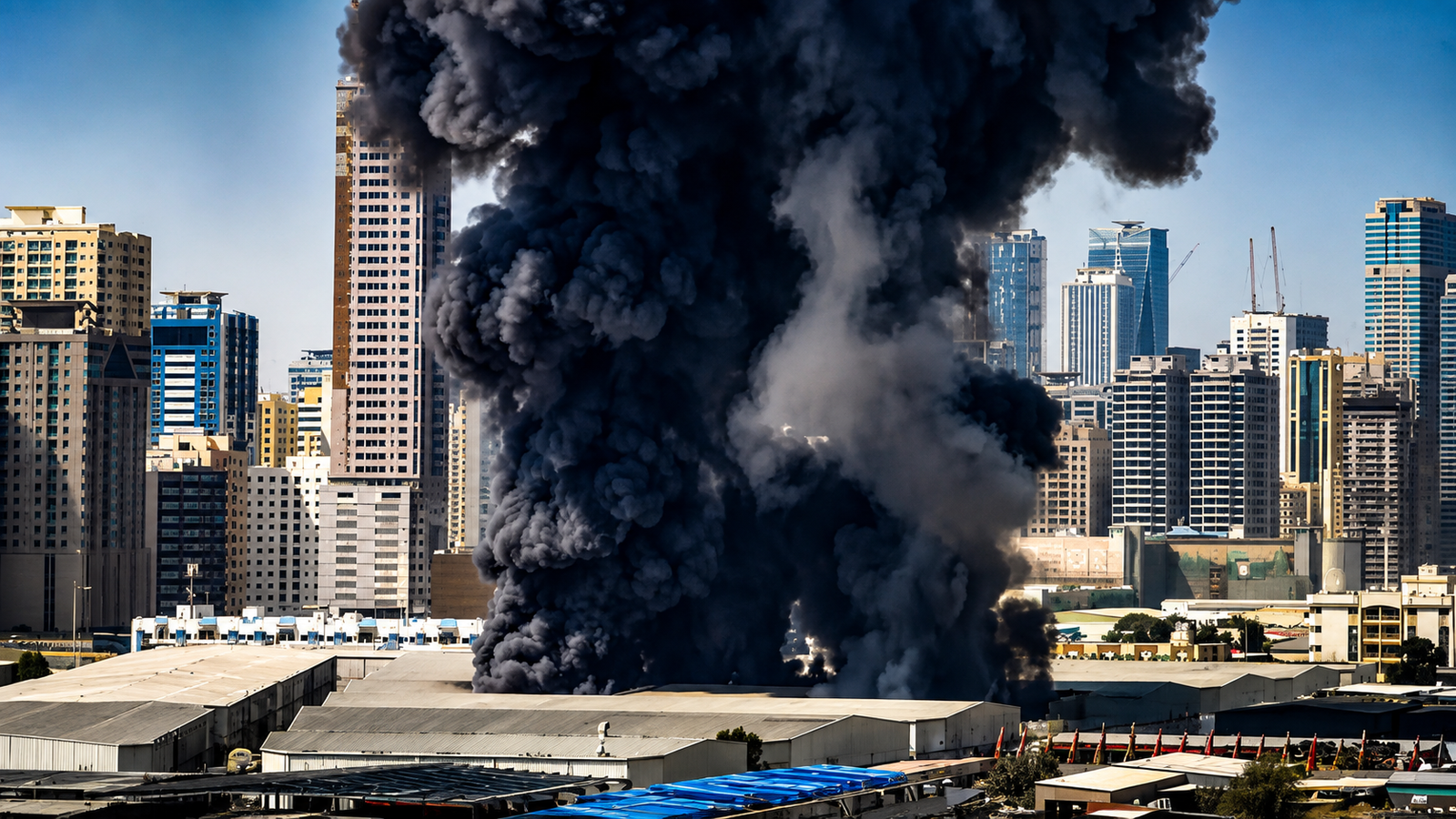
The U.S. Is Burning Through Weapons in Iran as Russia and China Take Note
The ongoing war in Iran is rapidly depleting U.S. stocks of advanced missiles and air-defense systems, raising concerns about America’s ability to respond to other potential conflicts

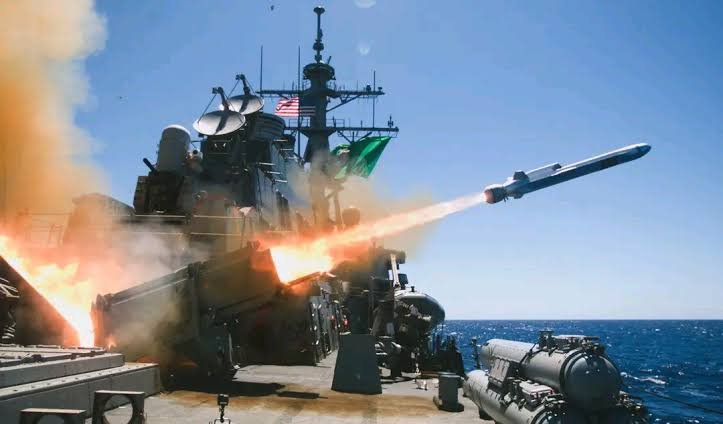
The U.S. Is Burning Through Weapons in Iran as Russia and China Take Note
The ongoing war in Iran is rapidly depleting U.S. stocks of advanced missiles and air-defense systems, raising concerns about America’s ability to respond to other potential conflicts.
The conflict has consumed thousands of expensive precision-guided missiles, many of which rely on specialized components supplied through a global network and can take years to manufacture.
The United States has also used large numbers of air-defense interceptors to defend against Iranian missile attacks. More than 1,500 Patriot interceptors have reportedly been used during the war, while the current U.S. inventory has fallen below 1,700. Replenishing those stocks could take more than two years.
The shortage is already affecting U.S. allies. Ukraine has received fewer Western air-defense missiles this year, while European and Asian countries have experienced delays in receiving American weapons.
The situation has also forced the Pentagon to move ships, aircraft, air-defense systems and other military assets from Europe and Asia to the Middle East. This has weakened U.S. military capabilities in those regions and created additional pressure on equipment maintenance and troop readiness.
The consequences could be particularly serious in Asia. The United States has transferred some long-range missiles, including Tomahawks, from the Indo-Pacific region to the Middle East. Hundreds of advanced air-defense interceptors have also been moved from South Korea and other parts of Asia to support the Iran campaign.
This has raised concerns about the U.S. ability to respond effectively to a potential conflict involving China, particularly over Taiwan. Some American officials also fear that Japan and South Korea could begin questioning the reliability of U.S. conventional defense guarantees and become more interested in developing their own nuclear deterrence.
Russia and China are closely monitoring the situation. According to U.S. officials, both countries are assessing American weapons stocks through public information, intelligence satellites and other surveillance capabilities.
A prolonged Iran war could therefore benefit Moscow and Beijing. The longer the conflict continues, the more U.S. precision-guided weapons are consumed, while rebuilding those stocks could take years.
Defense analysts warn that this could influence how Russia and China calculate the risks of future confrontations with the United States and its allies.
The central concern is not that the United States has run out of weapons altogether. Washington still possesses a huge arsenal of conventional munitions. Rather, the problem is that some of the most sophisticated and strategically important weapons—particularly long-range missiles and air-defense interceptors—are being depleted faster than they can be replaced.
As the Iran war continues, the gap between U.S. demand for advanced munitions and the defense industry’s ability to replenish them could become increasingly significant.
In the long term, analysts say, the depletion of U.S. weapons stocks could weaken conventional deterrence, affect American commitments to allies and potentially encourage Russia and China to believe that they have a greater window of opportunity to pursue their own strategic objectives.