A Dangerous Limbo Leaves Iran, and the World, Between Peace and War
Two months after the United States and Iran announced a nominal cease-fire, the Middle East remains trapped in a cycle of low-intensity violence that has blurred the line between peace and war


A Dangerous Limbo Leaves Iran, and the World, Between Peace and War
Two months after the United States and Iran announced a nominal cease-fire, the Middle East remains trapped in a cycle of low-intensity violence that has blurred the line between peace and war.
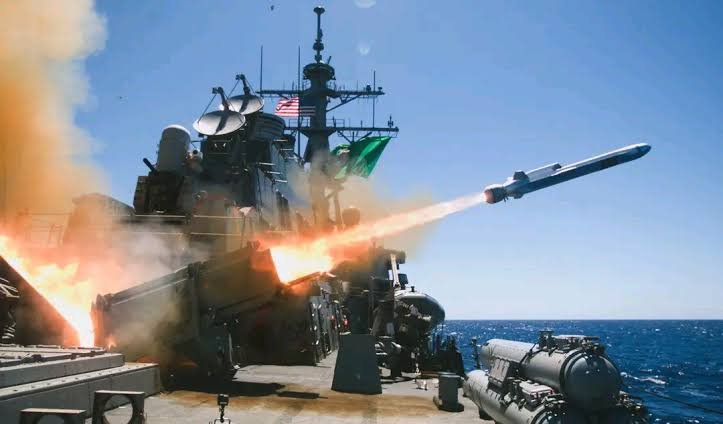
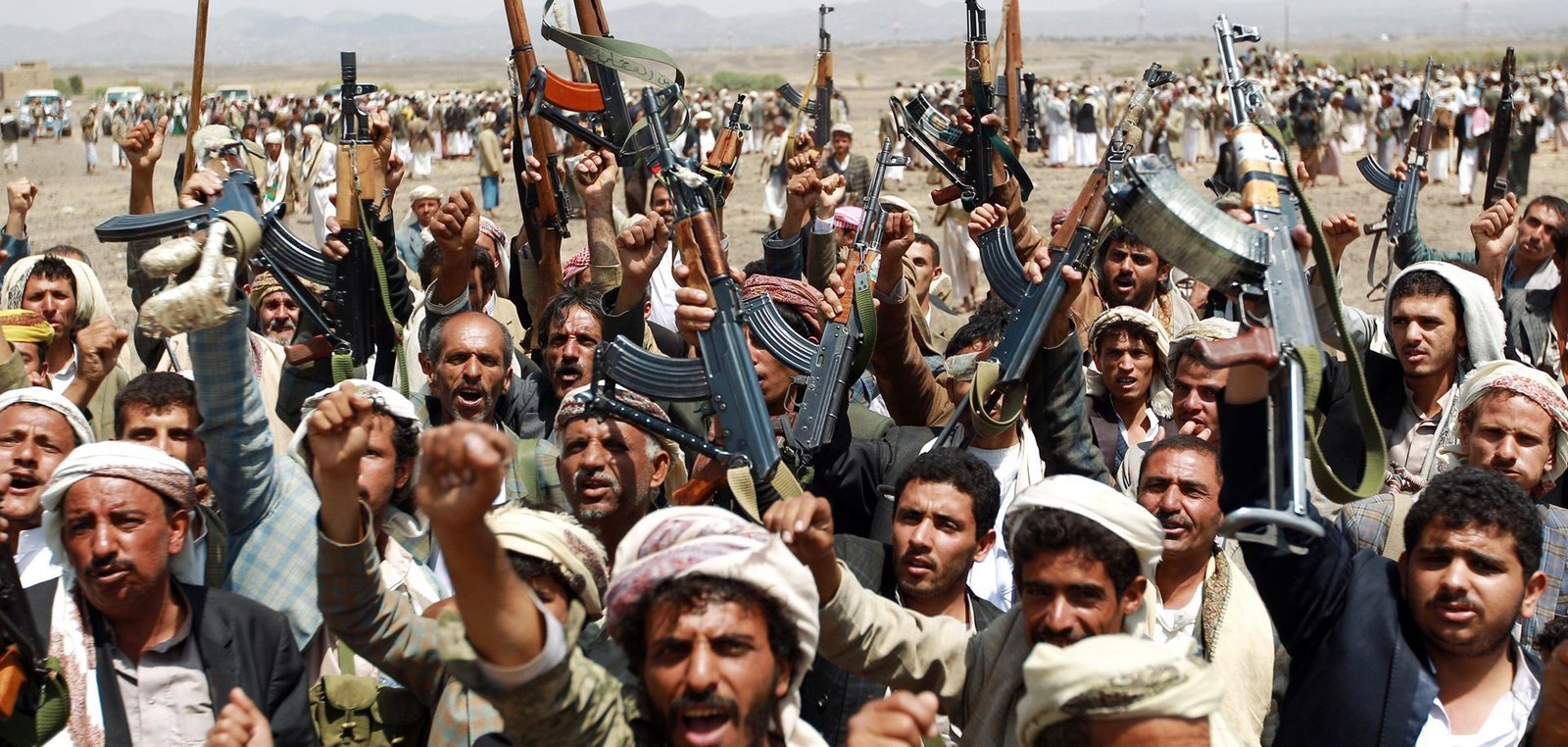
In just the past five days, the U.S. and Iran exchanged missile strikes following the downing of an American helicopter. Israel launched airstrikes on Lebanon, prompting retaliation from Iran, while the Iran-backed Houthis in Yemen also joined the response.
On Thursday, however, President Donald Trump abruptly canceled another major attack on Iran and once again raised the possibility of a peace agreement, although Iranian officials downplayed the proposal.
Rather than bringing stability, the cease-fire has created a situation in which attacks and counterattacks continue alongside repeated promises of peace that rarely materialize. U.N. Secretary-General António Guterres described it as something closer to a “lesser fire” than a true cease-fire.
Analysts and diplomats believe that even if negotiations produce a framework for an agreement, this “neither war nor peace” environment could continue for weeks or even months. Neither the Trump administration nor Iran appears willing to make major concessions for a lasting settlement, particularly over the future of Iran’s nuclear program.
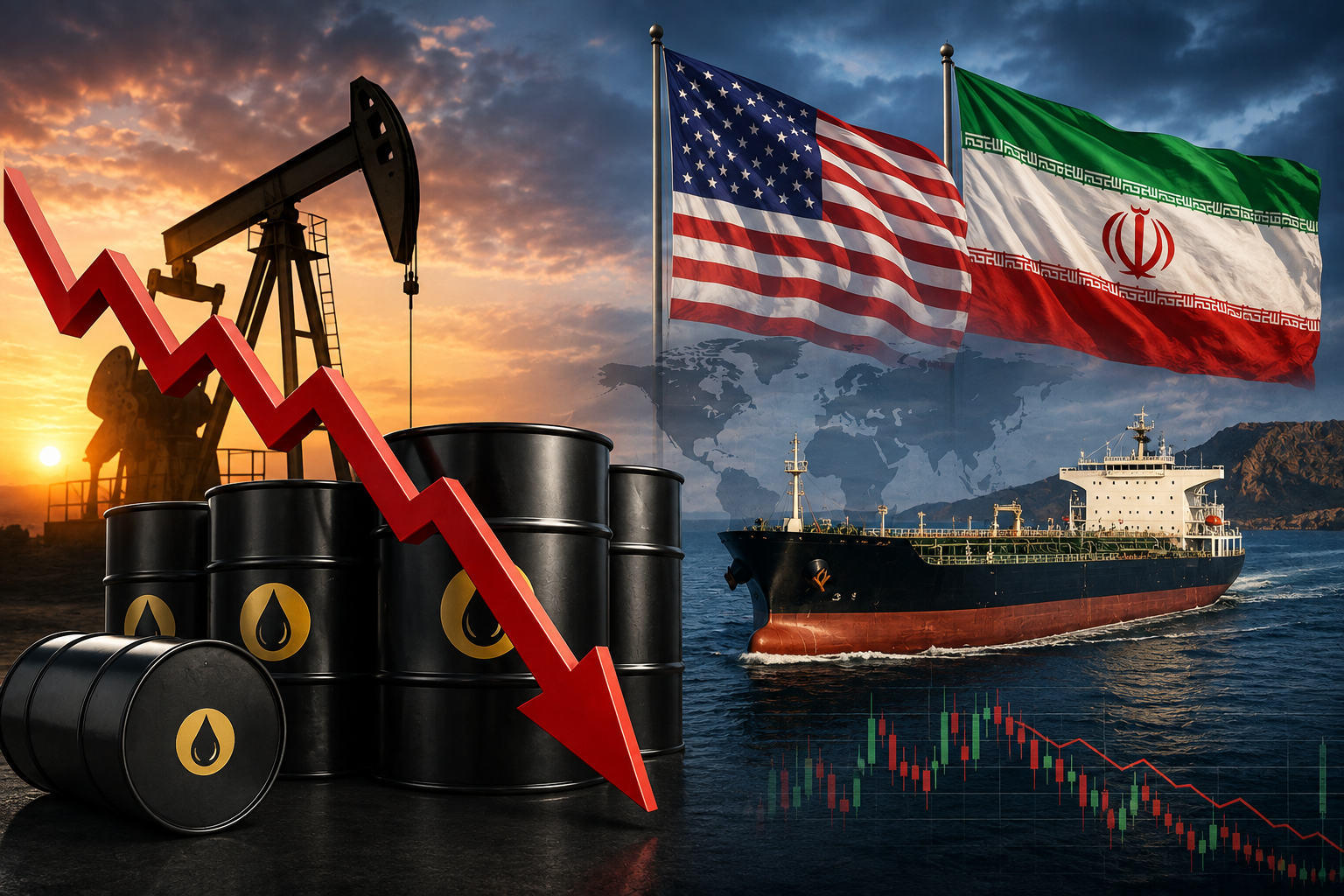
Such a prolonged stalemate could leave the Middle East in a state of recurring violence and constant uncertainty. It could also have significant global economic consequences, as disruptions to oil and gas shipments would affect international supply chains, potentially increasing fuel prices and contributing to food shortages.
Caitlin Talmadge, a professor at the Massachusetts Institute of Technology who specializes in Persian Gulf security, said there is “a good chance” that the current balance or something similar will persist, noting that “not every war has a clean ending.”
The conflict is especially complicated because it involves multiple actors with different and often conflicting objectives. President Trump, facing domestic political pressures and upcoming elections, has signaled an interest in moving beyond the conflict. Iran, having suffered heavy losses—including the reported death of Supreme Leader Ayatollah Ali Khamenei in this scenario—views the struggle as one of national survival and is unlikely to accept restrictions on its nuclear program in exchange for only temporary relief.
Meanwhile, Israel continues to regard Iran as an existential threat. Although Iran’s nuclear facilities have been heavily damaged, they have not been completely eliminated, and Iranian-backed groups in Lebanon, Gaza, and Yemen remain active.
As negotiations with Iran continue, President Trump is also engaged in parallel discussions with Israeli Prime Minister Benjamin Netanyahu, at times urging restraint in Lebanon while also defending Israel’s right to respond militarily.
Charles A. Kupchan, a former U.S. National Security Council official and now a professor at Georgetown University, argued that even with a cease-fire, the United States and Israel would need to remain vigilant. He suggested that proxy conflicts involving Hamas, Hezbollah, and the Houthis could continue and compared the likely strategy to “mowing the lawn”—conducting periodic military operations to weaken adversaries without fully resolving the underlying conflict.