US-Iran Framework Agreement Remains Vague as Critical Negotiations Move Forward
A tentative but potentially historic breakthrough has emerged in U.S.-Iran relations, as negotiators move toward releasing a memorandum of understanding (MOU) that could pave the way for sanctions relief, renewed nuclear negotiations, and the reopening of economic channels. However, U.S. officials say the document itself is deliberately vague, with many of the most important commitments remaining behind closed doors.

US-Iran Framework Agreement Remains Vague as Critical Negotiations Move Forward
Washington, D.C. – U.S. officials are working to publicly release the text of a newly negotiated memorandum of understanding (MOU) between the United States and Iran, while emphasizing that the document itself should not be viewed as a final or detailed agreement.
According to officials familiar with the negotiations, the MOU is intentionally broad and political in nature, designed primarily to establish a favorable atmosphere for more substantive and highly technical talks scheduled to begin later this week. Vice President JD Vance revealed that the agreement is only about one-and-a-half pages long.
Officials described the framework as a political document that provides both sides with enough flexibility to present the agreement positively to their domestic audiences while avoiding detailed commitments that could complicate negotiations.
Behind-the-Scenes Commitments
U.S. negotiators insist that several critical understandings reached through private back-channel communications are not reflected in the public text.
One of the most significant issues involves Iran's stockpile of highly enriched uranium. While the MOU reportedly states only that Iran "reiterates that it will never produce nuclear weapons," U.S. officials claim Tehran has privately indicated its willingness to allow American involvement in neutralizing or destroying enriched nuclear material under international supervision.
Officials say such commitments are expected to be addressed during upcoming technical negotiations involving the International Atomic Energy Agency (IAEA).
Sanctions Relief and Economic Incentives
The agreement outlines potential economic benefits for Iran if it fulfills its obligations.
According to sources familiar with the document, Iran could gain access to a future development fund worth up to $300 billion. U.S. officials emphasized that American taxpayer funds would not finance the initiative.
The framework also provides for:
• Future sanctions relief based on Iranian compliance.
• Gradual release of frozen Iranian assets.
• Authorization for Iran to resume oil and petrochemical exports.
• U.S. sanction waivers allowing Iran to benefit financially from international energy sales.
However, the agreement does not establish a clear timetable for the release of frozen assets, instead linking economic benefits to measurable progress during future negotiations.
Strait of Hormuz and Regional Security
The memorandum reportedly includes commitments requiring Iran not to interfere with freedom of navigation through the Strait of Hormuz, one of the world's most important energy shipping routes.
U.S. officials have stressed that Iran will only receive the benefits outlined in the agreement if it fulfills all obligations, including maintaining regional maritime stability and adhering to nuclear restrictions.
Political Challenges for Trump Administration
Despite optimism among negotiators, the agreement faces political scrutiny in Washington.
Conservative critics of President Donald Trump have demanded full transparency regarding the framework, arguing that the administration may have offered excessive concessions in exchange for reducing tensions and ending a costly conflict that has driven up global energy prices.
Some critics have questioned why a signed framework has not yet been released publicly.
International Mediation and Delayed Publication
Officials say Qatar and Pakistan played key mediation roles throughout the negotiations and have requested a carefully coordinated rollout of the agreement.
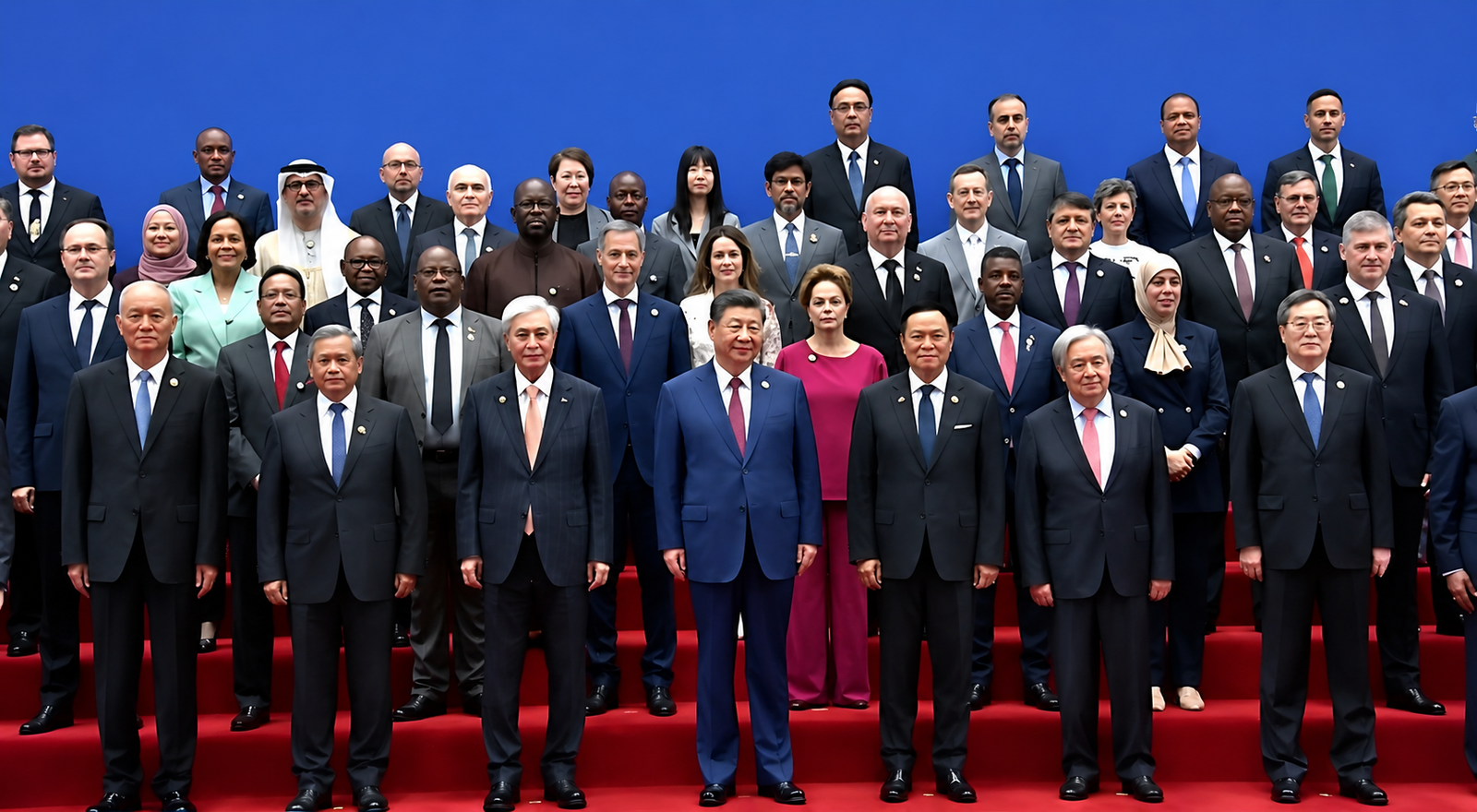
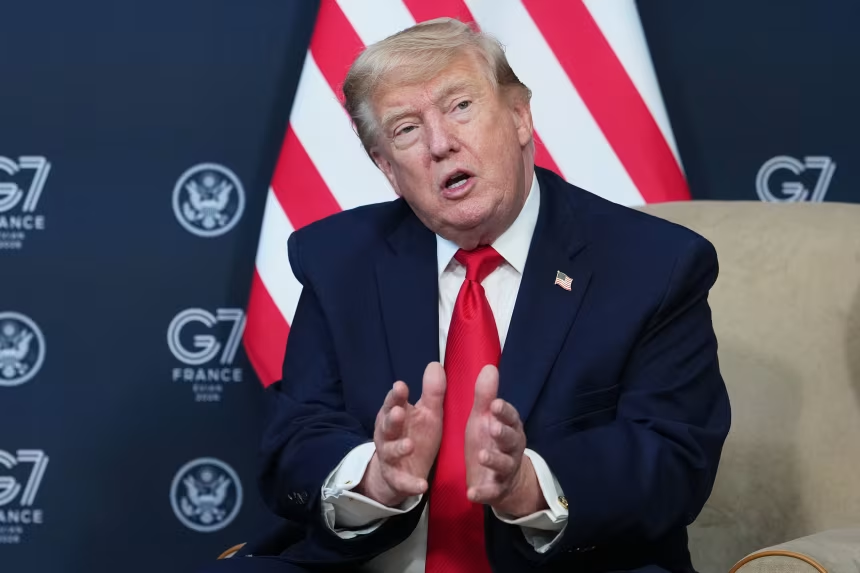
The document has reportedly circulated among European and G7 officials attending meetings in France, where world leaders have sought clarification from President Trump on several provisions.
While some U.S. officials favor immediate publication, Iran has requested additional time to complete internal consultations before the text becomes public.
Upcoming 60-Day Trial Period
The next phase of negotiations will begin in Switzerland this Friday and is expected to last approximately 60 days.
The talks will focus on technical details surrounding nuclear activities, sanctions implementation, monitoring mechanisms, and confidence-building measures.
Administration officials describe the period as a test of Iran's willingness to honor its commitments and a crucial opportunity to build trust after years of hostility.
President Trump has expressed confidence that the upcoming negotiations will be easier than the initial diplomatic breakthrough, stating that the framework creates a foundation for a broader and more durable agreement.
For now, both sides appear committed to continuing discussions, but the ultimate success of the initiative will depend on whether political promises can be transformed into verifiable actions.